Transformation into wild nature
In Denmark, only 1.6% of our natural areas are strictly protected. At the same time, over 2,500 species are at risk of disappearing. They are losing their habitats because, for generations, we have shaped the landscape for farming and industrial production. We want to reverse this trend.

Bøgetræer i mørke
Foto: Tobias Nicolai
A living laboratory
In Svanninge Bjerge, we are making an effort to turn the cause of events locally.
Here, on our 615 hectares, we conduct experiments that make us wiser about how we create space for more and better biodiversity.
It has been a long journey, and we are still learning. We have experimented with transforming production forests into wild forests since 2005.
Today, we are restoring wetlands, which become habitats for amphibians, fish, aquatic insects, and plants.
We have large herbivores that create variation in the landscape and provide more habitats for insects and light for blossoming herbs and other plants.
We have learned along the way and gladly share our failures and successes.
Caroline-Marie Vandt Madsen
Senior Development Partner in Svanninge Bjerge

Højstød med tøndersvampe
Foto: Tobias Nicolai
Wild forests, wetlands, and large herbivores
Species are disappearing faster than ever before.
On the Danish Red List, you may see how many species are in trouble. This includes mosses, reptiles, fungi, insects, and plants. These are not numbers that belong to the history books. It is a fact here and now.
Species are disappearing because we have changed the landscape. When habitats disappear, species lose their homes and means of subsistence.

Skarnbasse
Foto: Tobias Nicolai

Butsnudet frø
Foto: Tobias Nicolai

Væltet træ også kaldet 'dødt ved'
Foto: Tobias Nicolai
A new perspective on nature
Almost half of the Danish population today considers farmland to be ‘good nature’. This reflects our view of nature – where nature has historically served as a resource – for food, construction and production – rather than as a habitat for species.
We must understand what wild nature is if we are to maintain the ecosystems on which all life, including our own, depends. We must re-establish a connection with nature if we are to tackle the biodiversity crisis. Art, among other things, can help with this. Art and culture have, over time, helped shape our understanding of the landscape. They must do so again – just in new ways.

Foto: Tobias Nicolai
What is biodiversity?
Biodiversity is a big word. Therefore, we cut it down to three things: species, habitats, and genetics. Species are everything that crawls, grows, swims, flowers, and buzzes in Danish nature. From oak trees and squirrels to fungi, owls, and bacteria. It is not just species in themselves but also the place in which they live: forests, meadows, commons, bogs, streams and lakes. And the ecosystems – in which one species gives life to another. Finally, biodiversity is genetic variation within a species.
Do you need more information?
If you want to know more, you are welcome to contact Caroline-Marie Vandt Madsen or Emilie Refsgaard.
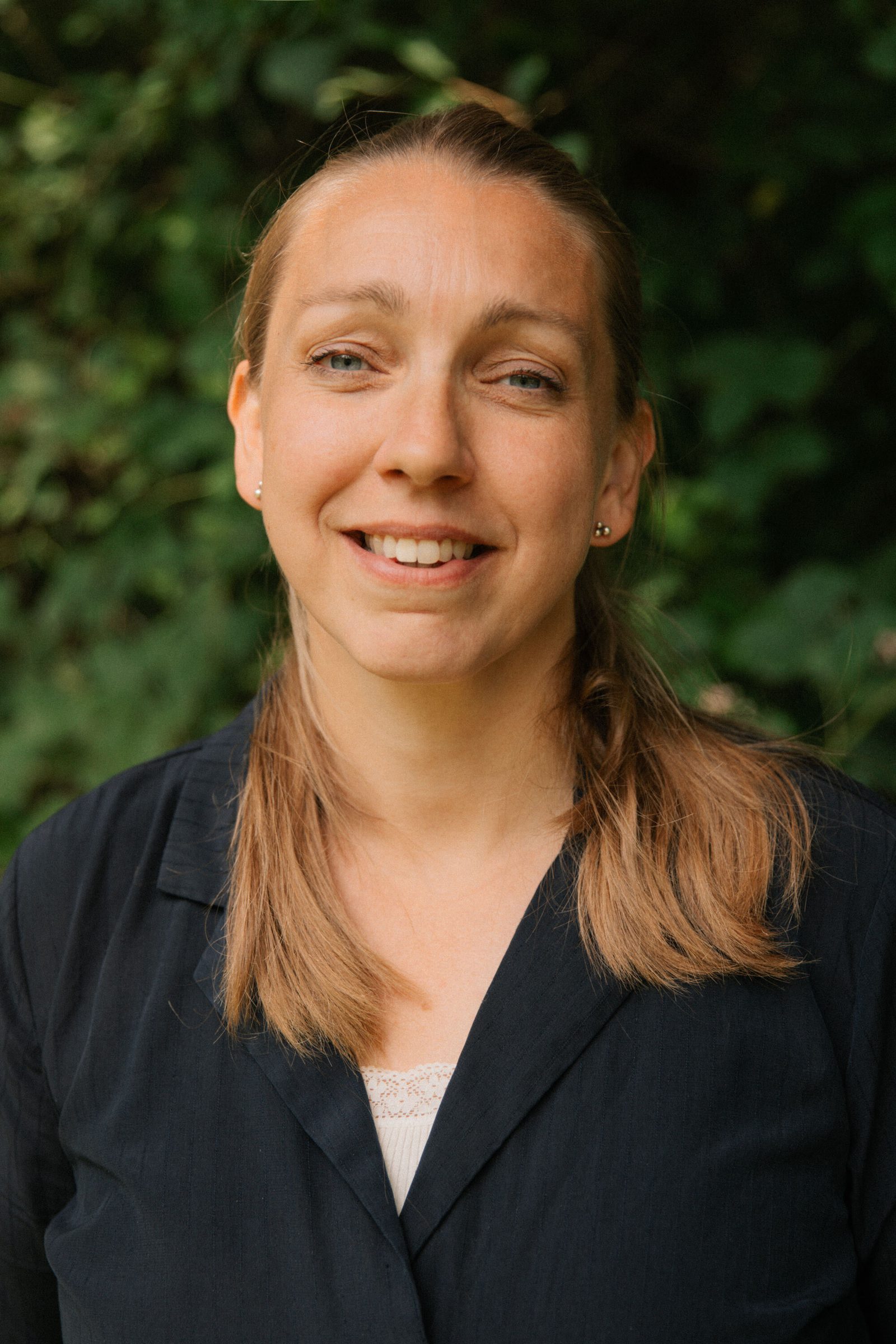
Caroline-Marie Vandt Madsen
Senior Development Partner in Svanninge Bjerge
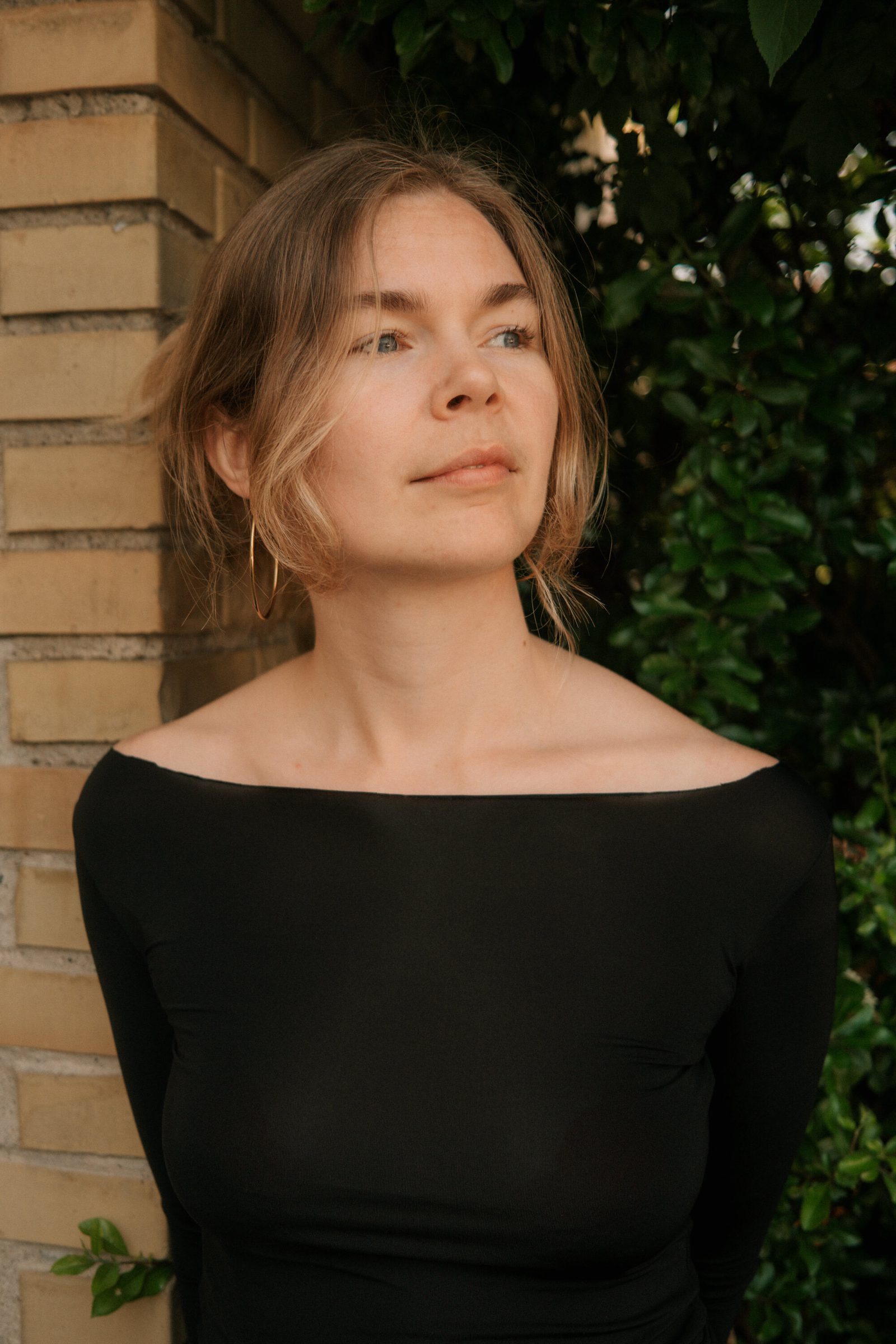
Emilie Refsgaard
Head of public affairs and communication - nature